
As high temperatures, heatwaves and hosepipe bans become more frequent during summers, pet owners face growing challenges in keeping their animals safe in hot weather. While pets may appear to enjoy sunny spots, raised temperatures can quickly lead to dehydration, sunburn and heatstroke. The RSPCA, Cats Protection and Dogs Trust have compiled key advice to help owners protect their pets during extreme heat.
Keeping Pets Cool and Hydrated
Experts recommend keeping pets indoors during peak heat hours from 10am to 3pm and ensuring shade is available both inside and outside. The top advice from the RSPCA, Cats Protection and Dogs Trust includes six essential tips to keep pets cool and hydrated. Keep pets indoors during the hottest hours of the day, ensure shade is accessible in all areas, and make sure there’s fresh drinking water available at all times, with ice cubes added when appropriate.
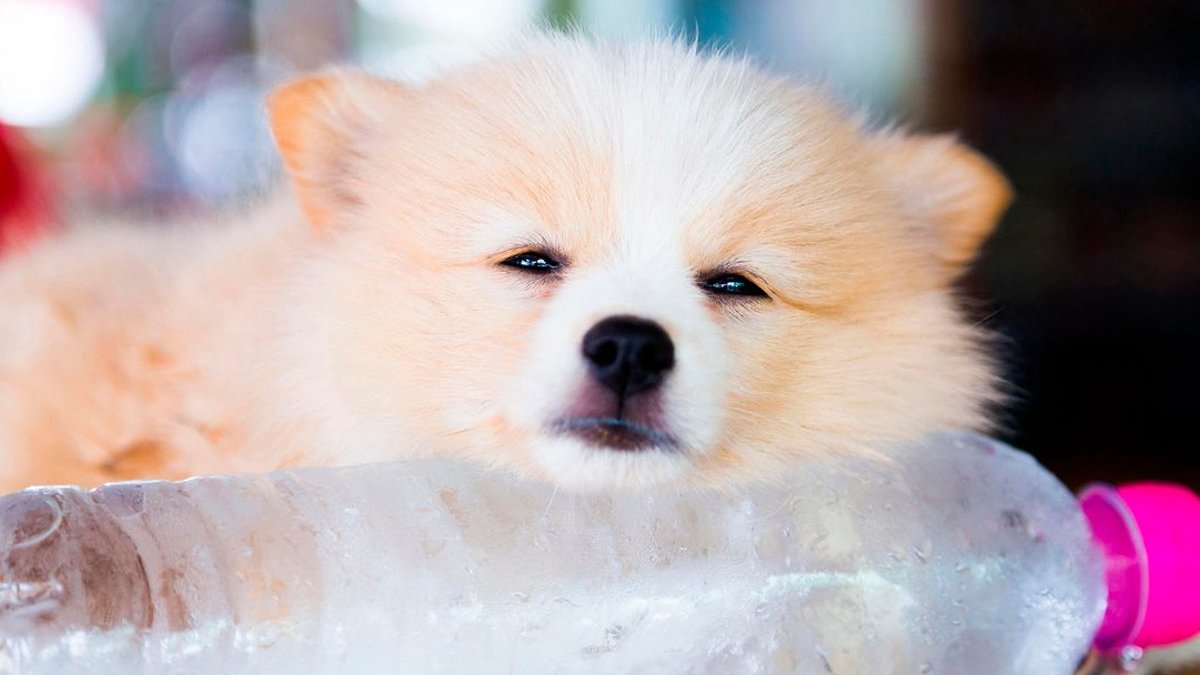
Encourage pets to drink regularly from wide bowls placed away from food and litter trays. Maintain proper ventilation using fans while securing windows to prevent escapes or falls. Add other cooling items like wrapped frozen water bottles near sleeping areas and provide cool flooring surfaces for pets to lie on.
Read Also: UK gardens at risk of flooding crisis
Exercise and Sun Protection
Without a garden, taking dogs to grassy areas for quick outdoor trips and returning indoors promptly is advised. The RSPCA emphasizes that leaving pets in parked cars is dangerous and urges immediate reporting of distressed animals to emergency services. If you see a dog in a hot car, call 999 immediately.
Sunburn poses another hidden threat, particularly on ears and noses, especially if they have white or thin fur, and repeated exposure can increase the risk of skin cancer. Limiting direct sunlight exposure, ensuring constant access to shade, and consulting veterinarians about pet-safe sunscreen with SPF 30 or higher for vulnerable spots can help prevent this danger.
Heatstroke Warning Signs
Heatstroke can be life-threatening, especially for certain dog breeds like Bulldogs, Pugs and French Bulldogs, older dogs, overweight animals, or those with medical conditions. Cats, while naturally good at self-cooling, also require vigilance. Veterinary experts stress recognizing early symptoms:
Read Also: Jo Thompson appointed head of garden design studies at LCGD
- Heavy panting or lack of panting
- Weakness or collapse
- Diarrhea or vomiting
- Red, sore or blistering skin
- Gums that appear pale or bright red
- Confusion or disorientation
According to Izzy Hocking of Cats Protection, “Cats may love lounging in the sun but extreme heat can be just as dangerous for them as it is for us.” Emily Mills of Dogs Trust adds, “Dogs are much more vulnerable to heat than people.” These symptoms demand immediate veterinary attention to prevent severe complications.
Alternative Cooling Methods During Hosepipe Bans
Under regional restrictions, pet owners can still provide cooling without using hoses. Placing water bowls in multiple rooms allows pets to discover hydration easily, with ice cubes adding a refreshing element. A DIY cooling mat made from a chilled wet towel chilled in the freezer (leave it on the floor for your pet to lie on, rather than draping it over them) offers a safe surface for pets to lie on.
Homemade frozen treats, such as mashed banana mixed with scattered treats in a shallow lid, provide mental engagement and hydration for dogs. Building a breezy shade fort by hanging sheets with a fan creates a cool, airflow-rich space. These strategies maintain pet comfort while conserving water resources during restrictions.
Read Also: RHS expands with Bristol show and Tatton Park revival
Indoor stimulation through puzzle feeders and snuffle mats keeps dogs mentally engaged without exertion. When outdoor relief is needed, quick trips to grassy areas followed by immediate indoor return minimize exposure. The RSPCA warns that dogs die in hot cars, making prompt reporting of distressed animals to emergency services essential.
If you spot any of these symptoms, contact a vet immediately. When a pet develops heatstroke, follow these critical steps: stop any exercise or activity, move the pet to a cool, shady area, provide fresh drinking water, and cool dogs with water that is cooler than their body temperature – young, healthy dogs can be immersed in cold water, while older dogs or pets with health conditions should be sprayed with cold water and cooled with ventilation or a fan. Never put wet towels over a pet as they can trap heat. Contact a vet and keep pets cool while transporting them.


