
Abu Dhabi’s real estate sector continues to serve as a cornerstone of the emirate’s economic strategy, particularly as it shifts away from oil dependence. The market’s strength lies in its ability to draw foreign investment, especially in commercial and residential properties that cater to business growth and skilled labor migration. This inflow of capital has sustained demand across multiple segments, from office spaces to luxury housing.
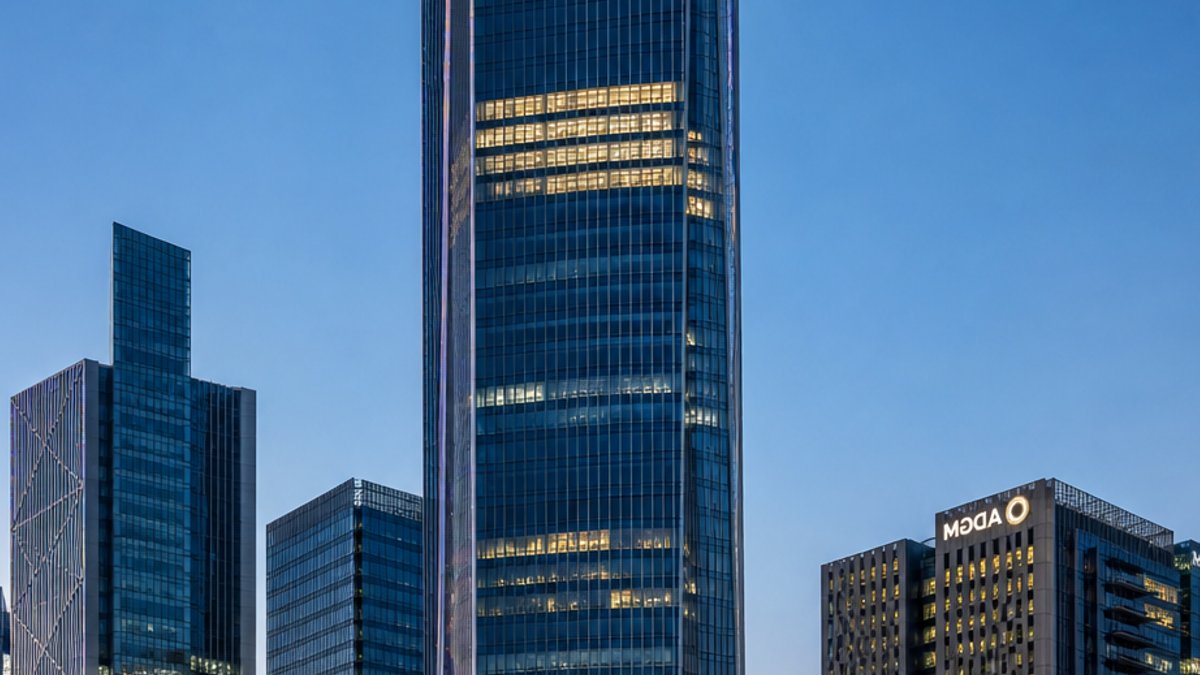
Global investors show strong confidence in Abu Dhabi’s financial districts, with high-end office demand concentrated in areas like ADGM on Al Maryah Island. The arrival of new businesses has driven residential growth in locations such as Reem Island and Al Raha Beach, where both apartments and premium villas are in demand. The expansion of financial services firms has directly boosted both commercial and residential markets as companies establish regional headquarters and attract employees.
Trade and aviation also play a decisive role in shaping property trends. The emirate’s position as a logistics hub supports industrial real estate in zones like Khalifa City and Mussafah, while tourism and air travel activity strengthen hospitality properties on Yas Island and Saadiyat Island. Any slowdown in these areas would immediately affect occupancy levels and investor interest, demonstrating how closely tied real estate performance is to broader economic activity.
Despite Abu Dhabi’s efforts to diversify its economy, stable oil prices continue to provide critical funding for major infrastructure projects. Developments on Hudayriyat Island and Jubail Island enhance transportation networks and urban livability, further strengthening the emirate’s attractiveness. These initiatives rely on sustained economic performance, ensuring that property values remain robust over the long term.
The emirate’s emphasis on trade, aviation, and financial stability has created a resilient property market. Even as global economic conditions fluctuate, Abu Dhabi’s ability to maintain investor confidence and economic ties shields its real estate sector from broader downturns. Ongoing infrastructure projects and a business-friendly environment continue to support steady demand, reinforcing the market’s position as a reliable asset.
Economic Stability and Diversification as Market Foundations
Abu Dhabi’s real estate market relies heavily on perceptions of stability, which extend beyond local factors to include regional and global economic conditions. This stability directly supports key sectors like investment, trade, aviation, and finance, serving as a core confidence driver for developers, investors, and residents. The emirate’s strategic efforts to diversify its economy reduce dependence on volatile commodity markets, though stable energy revenues still underpin fiscal strength and large-scale projects.
Government investments in infrastructure and master-planned communities—such as those on Hudayriyat Island and Jubail Island—are partially funded by sustained economic growth. These developments improve connectivity, public services, and urban planning, reinforcing Abu Dhabi’s appeal as a long-term property investment. The focus on diversification ensures the market remains resilient against external economic shifts, preserving demand from both domestic and international buyers.


