
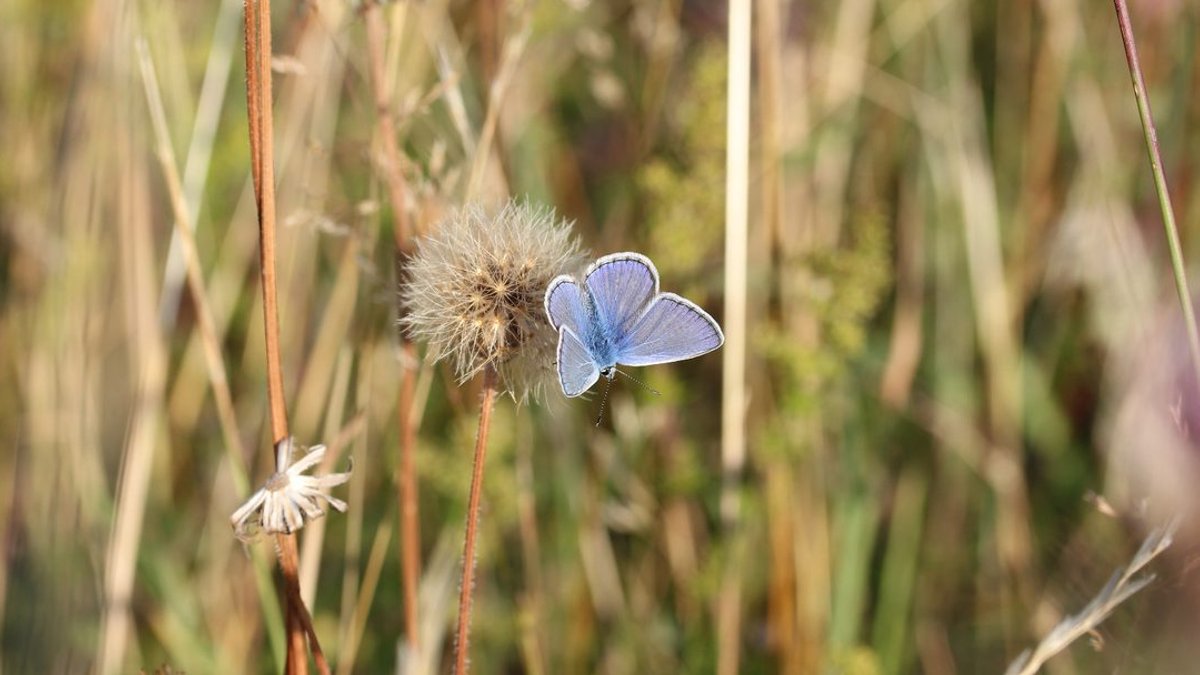
The UK’s butterflies enjoyed their best summer in 16 years this year—but the long-term outlook is far bleaker. The 2026 Big Butterfly Count recorded 1.4 million butterflies and moths across the country, with 101,565 participants submitting sightings. While many species thrived in the hot, dry weather, scientists warn that the same conditions that boosted adult butterflies may have devastated their caterpillar populations, setting the stage for a sharp decline next summer.
The data shows a stark contrast between species that benefited and those that suffered. The Painted Lady surged by 335% compared to last year, its numbers swelling thanks to a migration relay from Africa. The Holly Blue hit its highest-ever count, up 42% since the survey began, while the Gatekeeper and Small Copper also saw record numbers. Yet drought-sensitive species like the Speckled Wood, Green-veined White, and Ringlet all declined by 39% to 54% over the past decade.
Professor Richard Fox, head of science at Butterfly Conservation, explained that the heatwave helped adult butterflies thrive—but the lack of rain may have doomed their offspring. “Adult butterflies love hot, sunny weather for flying, feeding and breeding, and that’s exactly why people saw so many this summer. But a good summer for adult butterflies is not the same as a good summer for butterfly populations.
Read Also: RHS Badminton Flower Show opens in Gloucestershire
What matters far more is what’s happening on the ground, to the butterflies’ caterpillar offspring and the plants they depend on. The very same weather that made it a good year for butterflies, lots of sunshine and very little rain, could mean we’re actually on course for a population crash, which could take years to recover from.”
Climate change threatens UK butterfly extinction
This isn’t the first time extreme weather has crippled butterfly numbers. The droughts of 1976 and 1995 left lasting damage, and 80% of UK butterflies have already declined since the 1970s. With climate models predicting more frequent heatwaves, Fox warned that some species could face extinction if current trends continue. “They are, quite simply, less resilient to these events, which means we could be looking at very difficult years ahead.”
The charity is urging gardeners to take action now to protect next year’s butterflies. Planting holly, ivy, and buckthorn—key food sources for species like the Holly Blue and Brimstone, can help sustain caterpillars when drought strikes. Longer grass patches also provide shelter and food for ground-feeding species, while collecting rainwater in autumn could prevent critical plants from dying out in future dry spells.
Gardeners urged to save next year’s caterpillars
The Big Butterfly Count 2027 will run from July 9 to August 1, and organizers say citizen scientists will play a key role in tracking the fallout from this summer’s extreme conditions. For now, though, the question isn’t just whether butterflies will rebound; but whether they’ll survive the next wave of heat at all.
Read Also: UK gardens sought for new wildlife documentary series
The Small Tortoiseshell has decreased by 66% since the Big Butterfly Count began in 2010. While species like the Painted Lady and Gatekeeper thrived in this year’s heat, the Small Tortoiseshell’s decline shows how droughts disproportionately affect already vulnerable populations. Unlike migratory species, it relies entirely on native food plants, many of which dried out before its caterpillars could complete their life cycle.
Other drought-sensitive species faced similar pressures. The Speckled Wood, a woodland butterfly, saw its numbers drop by 44% since 2011, while the Green-veined White—a common garden visitor, fell by 54%. These declines reflect broader trends: 80% of UK butterflies have vanished since the 1970s, with extreme weather acting as the final blow for those already on the brink. Professor Fox highlighted how 1976 and 1995 droughts left lasting scars, with some species never recovering.
Rainwater collection is another critical step, given the hosepipe bans that restricted gardeners in 2026. Storing water during autumn and winter ensures key plants, such as oaks, hawthorn, and willows—remain viable through droughts. These trees support a wide array of moth caterpillars, many of which are unseen but essential to the ecosystem. Gardens with uncut grass have been shown to host 93% more butterflies, as deeper roots and cooler microclimates protect both plants and insects during heatwaves.


