
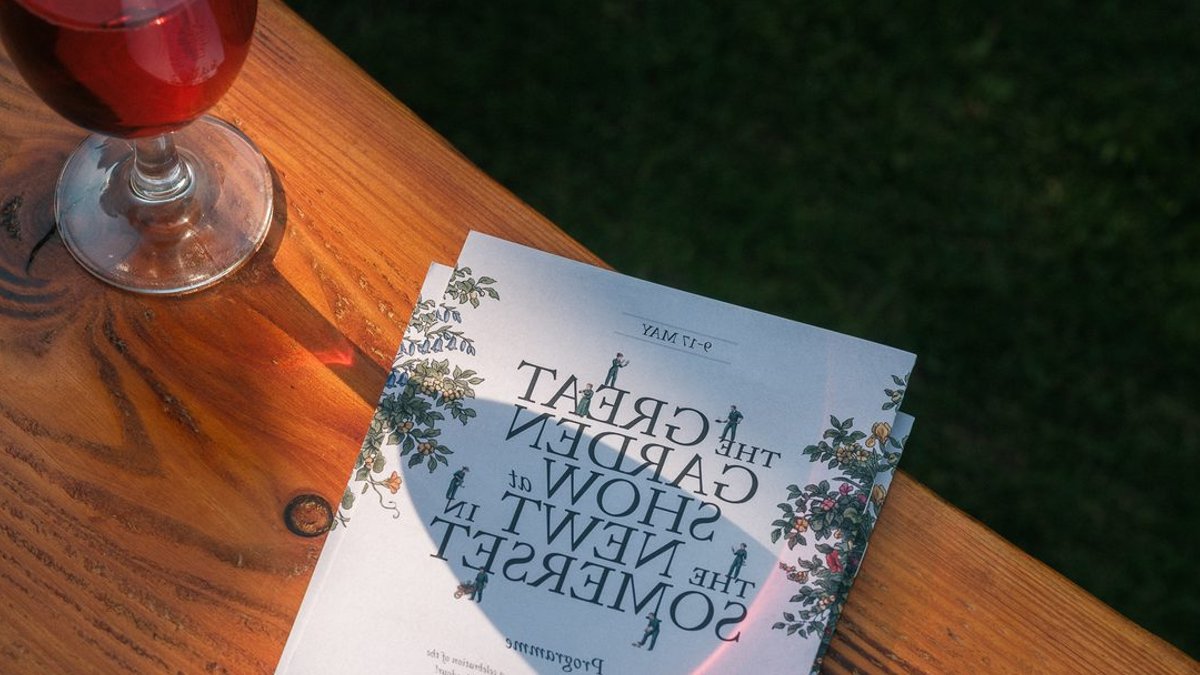
The Newt’s Great Garden Show presents itself as a distinct alternative to the RHS Chelsea Flower Show, delivering a nine-day celebration in Somerset that merges practical gardening, rural appeal, and educational engagement. While Chelsea centers on elaborate show gardens judged by experts, this event invites attendees into a 250-year-old working estate, encompassing farmland, orchards, and a luxury hotel, where they can participate in workshops, guided tours, and craft demonstrations. The estate’s gardens, typically restricted to members, open for public exploration, including newly updated planting schemes like the Symphony of Colour in the Victorian Beds.
Beyond floral displays
The festival, scheduled from May 9 to May 17, abandons the competitive display format in favor of interactive experiences. Instead of judging floral arrangements, visitors can join sessions on flower pressing, fermentation techniques, or espalier training. The estate’s grounds, usually closed to the public, are accessible for leisurely walks, with refreshed planting areas available for inspection.
General admission costs £25 for non-members, with free entry for children under 16, though advance booking is mandatory. While some workshops require additional fees, the overall ticket price remains lower than comparable events. Entertainment includes live music performances, cider tastings, and tractor rides, blending education with recreational activities.
Read Also: Royal entrance in Glasgow’s living garden at Commonwealth Games
A hands-on horticultural experience
Unlike Chelsea’s structured displays, The Newt’s event prioritizes skill development and craftsmanship. Midweek workshops address topics such as composting methods, natural plant supports, and ancient tree identification. On Saturday, May 16, horticultural figures, including television presenter Alan Titchmarsh and no-dig gardening specialist Charles Dowding, will lead a Newt Question Time session. The day also features traditional Morris dancing, a Maypole ceremony, and a collaborative art project.
History enthusiasts can explore the estate’s Roman Villa, where a Floralia Festival includes gladiatorial reenactments, flower crown workshops, and Roman cuisine tastings. Later in the day, attendees can engage in traditional crafts like spinning, weaving, and archery. The final day, May 17, focuses on wildlife conservation through a BioBlitz, where participants contribute to flora and fauna surveys or learn sustainable gardening practices.
Though The Newt previously supported Chelsea, this new initiative reflects a deliberate shift toward an inclusive, educational approach. The estate’s blend of luxury accommodations and rural authenticity, from its cider cellar to its operational farm, creates a distinctive atmosphere. Unlike Chelsea’s fast-paced, high-pressure setting, The Newt’s event unfolds at a measured pace, allowing visitors to explore and interact without constraints.


