
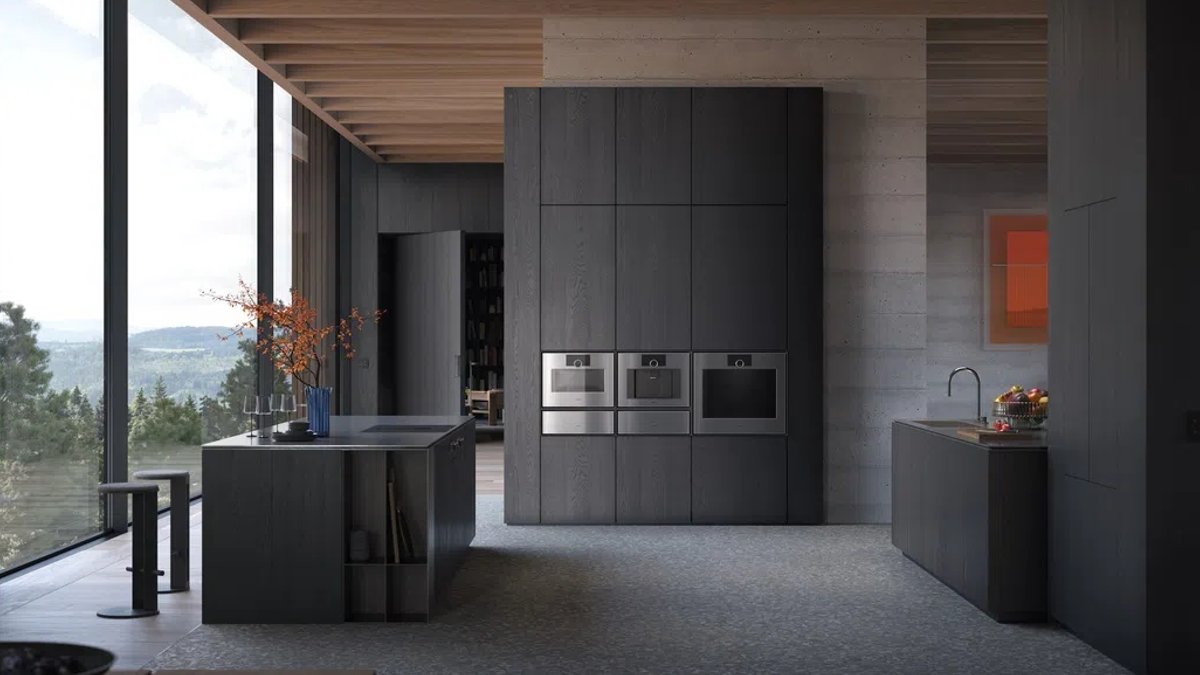
Gaggenau has officially unveiled its most significant appliance update in nearly two decades, launching its most significant cavity range in nearly two decades. The German luxury brand brings a new level of architectural precision to professional-grade performance. This move marks a distinct departure from the heavy mechanical controls that defined its identity for years. The new lineup aims to integrate seamlessly into high-end Singaporean kitchens while maintaining the robust engineering standards the company is known for.
The company traces its origins back to 1683, when Margrave Ludwig Wilhelm von Baden founded an ironworks foundry in Germany’s Black Forest. Over centuries, the operation evolved from forging nails and tools to specializing in enameling. That proprietary enamel recipe eventually became the foundation for its iconic, ultra-durable coal, gas, and modern electric ovens. Today, the brand is recognized for solid metalwork, heavy stainless steel, and blue enamel interiors.
A Shift from Knobs to Sensory Interfaces
Traditionally, Gaggenau was recognized by its heavy mechanical twin control knobs. The brand built its reputation on this solid metalwork and professional-grade reliability. However, the latest redesign replaces these iconic twin knobs with a single floating stainless steel ring. This change is part of a broader effort to bridge its 343-year-old metal-forging heritage with modern smart-home expectations. The new interface uses proximity sensors rather than traditional dials.
When a user approaches the oven, proximity-activated sensors light up a concealed display. This reveals an intuitive, interactive experience without the need for constant manual adjustment. The design philosophy behind the Expressive Series is described as “two frames, one circle, a piece of art.” It features an inner stainless steel “passepartout” framed by dark smoked glass. This approach creates a bold, sculptural look that stands out in any kitchen setting.
In contrast, the Minimalistic Series focuses on pure visual reduction. It integrates dark, handleless glass fronts with subtle proximity-activated lighting. The controls are concealed and haptic, offering a sleek, ultra-clean aesthetic. This series is designed specifically for handleless, fully concealed luxury kitchens where visual clutter is undesirable. It uses two linear ventilation profiles and offers two timeless shades: Onyx and Sterling.
Onyx features smokey glass with subtle metallic flecks, while Sterling offers high-contrast technical finishes. The shift away from hyper-digital flat touchscreens toward high-haptic luxury is notable here. Preserving physical interaction through a weighted, tactile ring is intended to bring emotional delight back into automated cooking. This is a calculated move to keep the user engaged without relying solely on digital screens.
Engineering Power and Hidden Features
Inside both series, the appliances pack considerable power. A high-performance full-surface grill is concealed behind the signature blue enamel interior. The ovens also include dedicated air-frying modes and pyrolytic self-cleaning capabilities. This cleaning method uses high heat to burn away stubborn food residue and grease, engineered to withstand temperatures up to 485 degC. The doors are constructed with five layers of glass to manage this heat safely.
The range extends beyond cooking appliances into full kitchen integration. The Vario cooling Expressive series includes refrigerators, freezers, and wine climate cabinets. These units are designed to fit flush like fine furniture, maintaining the clean lines of the surrounding cabinetry. A standout feature is an industry-first automatic tempering programme for the wine climate cabinets. This system uses infrared sensors to eliminate guesswork regarding serving temperatures.
The cabinet brings red, white, rosé, or sparkling wines to their exact serving temperatures based on bottle count and variety. Users are notified through ambient cabinet lighting or the Home Connect app. This level of automation is rare in residential appliances, typically reserved for commercial hospitality settings. It reflects the brand’s long history of bringing commercial-grade culinary technology into homes. The inclusion of teppanyaki grills and combi-steam ovens in their history parallels this current push for precision control.
Many of Gaggenau’s appliances, including the 90cm flagship ovens, are still assembled largely by hand. This manual craftsmanship contributes to the unmatched material quality, which includes solid steel, blue enamel, and oak wood accents. The combination of automated pyrolytic self-cleaning and smart connectivity features sets a high bar for the luxury market. The hardware remains substantial, even as the software becomes more invisible.
Pricing, Availability, and Installation
There is an extremely high barrier to entry for these appliances. The Expressive series of ovens may cost around $10,000. Official local pricing varies depending on custom modular configurations. Specialized installation requirements add to the complexity of integrating these units into existing home designs. There is also a learning curve for traditional cooks who are unaccustomed to digital-tactile hybrid controls.
The collection is available for viewing at the Gaggenau Showroom Singapore. Visitors can examine the Vario Cooling Expressive Refrigerator’s drawers and the wine climate cabinets in person. The physical presence of the appliances allows for a better understanding of the weight and texture of the materials. The floating stainless steel ring is particularly effective when handled directly.
Gaggenau’s presence in Singapore highlights a growing trend toward specialized, high-end kitchen equipment. The brand’s ability to maintain its heritage while adopting modern sensors is a key part of its current strategy. The new ranges are not just cooking tools but architectural elements. They are designed to be seen, touched, and used with a level of care that standard appliances do not demand. The focus on haptic feedback and material quality distinguishes them from competitors who rely heavily on digital interfaces.


