
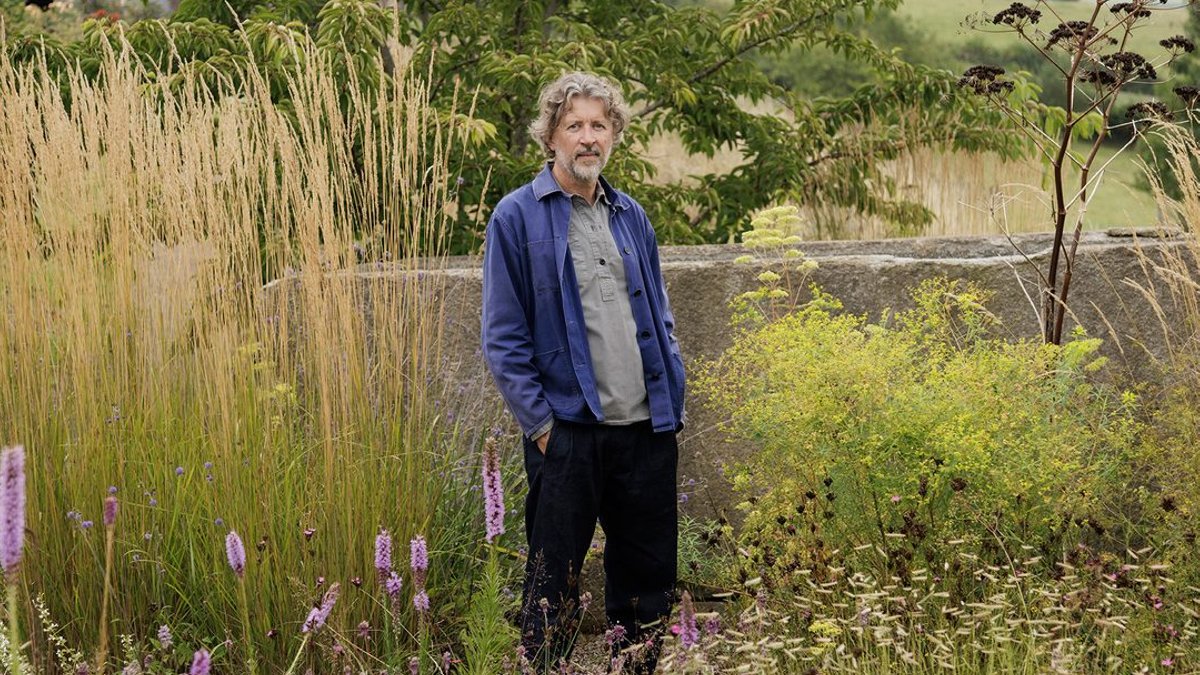
After 23 years, renowned designer Dan Pearson is closing his London-based studio. The practice will cease operations on September 11, with plans to complete ongoing projects. This decision marks a significant shift in Pearson’s career, as he steps away from managing a large studio to focus on more personal and environmentally impactful work.
Pearson, who founded the studio with partner Huw Morgan, has been designing gardens since 1987. Both have recently taken sabbaticals, with Pearson traveling to Mexico and Morgan focusing on charity work. These sabbaticals provided them with the time and perspective needed to reevaluate their priorities and the direction of the studio. Pearson’s trip to Mexico, in particular, offered him a fresh outlook on how he could apply his skills to projects that align more closely with his environmental values.
A Shift in Focus
Pearson told Gardens Illustrated he wants to refocus his work. “I’ve been trying to maintain perspective on what is the right work to be doing,” he said. He aims to apply his skills to projects that positively impact the environment. This shift reflects a growing awareness in the design community about the importance of sustainability and ecological responsibility. Pearson’s decision to move away from traditional garden design towards ecology and environmental conservation is a bold step that aligns with his long-standing commitment to creating meaningful spaces.
This decision came after a two-year period of reflection. Pearson plans to refine his approach, moving away from traditional garden design towards ecology and environment conservation. During this time, he engaged in deep introspection, considering how his expertise could be better utilized to address pressing environmental issues. His sabbatical allowed him to explore new methodologies and philosophies, ultimately leading to this transformative decision.
This transition isn’t about retirement, Pearson emphasizes. It’s a “sideways move” to prioritize depth, connection, and meaning in his work. He views this change as an opportunity to deepen his engagement with the natural world and to support more meaningful connections through his projects. By stepping away from the demands of running a large studio, Pearson hopes to achieve a more balanced and fulfilling professional life.
Hillside: A Central Role
Pearson’s Somerset home and garden, Hillside, will play a key role in his future. He plans to dedicate more time to its development, potentially offering workshops and limited access to the public. Hillside has long been a source of inspiration for Pearson, and he sees it as a living laboratory where he can experiment with new ideas and techniques. The garden’s evolution will reflect his growing emphasis on ecology and conservation.
Read Also: Gaggenau Unveils Major Redesign And New Ranges
During the pandemic, Pearson and Morgan opened Hillside to groups and hosted events, supporting a sense of community among gardening enthusiasts. These gatherings not only strengthened the local gardening community but also provided Pearson with valuable insights into how spaces can be used to support connection and learning. The success of these events reinforced his belief in the importance of creating spaces that bring people together and inspire them to engage with nature.
Pearson sees Hillside as a source of inspiration and a testing ground for his evolving ideas about environment and ecology. The garden’s diverse ecosystems and microclimates offer a unique opportunity to explore sustainable practices and innovative design approaches. By focusing on Hillside, Pearson aims to create a model for how gardens can contribute to biodiversity and environmental health.
Ongoing Projects and Future Plans
Pearson will maintain involvement in select projects, including the Maggie’s Centre in Bristol and the Beth Chatto Gardens expansion. He’ll also continue advising at Sissinghurst and take on a similar role at Beth Chatto. These projects are particularly meaningful to Pearson, as they align with his values of creating spaces that promote well-being and environmental stewardship. His continued involvement ensures that these projects will benefit from his expertise and vision.
He’s committed to the Play Earth Park in Japan, collaborating with Midori Shintani, former head gardener at Tokachi Millennium Forest. Pearson envisions this as a long-term project with yearly visits and workshops. Play Earth Park represents a significant opportunity for Pearson to apply his ecological principles on an international scale. The collaboration with Shintani, who shares his passion for sustainable landscaping, promises to result in a project that is both innovative and impactful.
While stepping away from running a large studio, Pearson remains open to residential garden design for the right clients. He values collaboration and the potential for exciting conversations that lead to meaningful projects. Pearson believes that the most successful projects arise from a deep understanding and respect between designer and client. By limiting his residential work to select clients, he can ensure that each project receives the attention and care it deserves.
Pearson’s focus is on creating “places with soul,” prioritizing environmental impact and meaningful connections through his work. This philosophy is at the heart of his new approach, guiding every decision he makes. By emphasizing depth, refinement, and connection, Pearson aims to create spaces that not only enhance the environment but also enrich the lives of those who experience them.


