
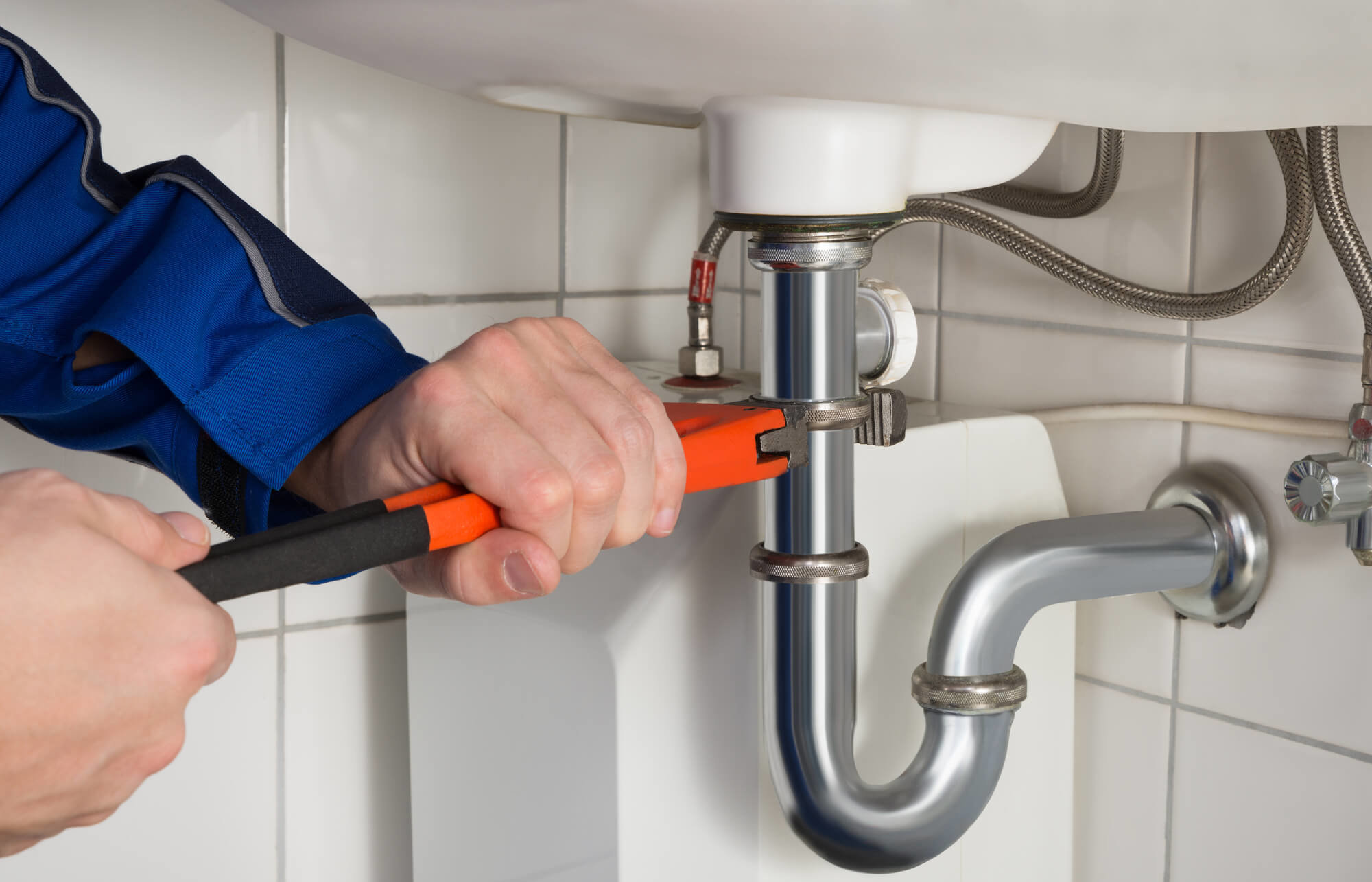
Modern commercial infrastructure relies on a hidden network of pipes that typically functions without notice. For property managers and business owners in this region, plumbing systems are rarely top-of-mind until they stop working correctly. Maintaining these systems, particularly those related to waste management, involves a progression from routine oversight to specialized intervention. Understanding this trajectory can help property stakeholders protect their assets and ensure operational continuity.
Establishing a baseline through routine maintenance
The most effective approach to large-scale plumbing health often starts with a focus on prevention rather than reaction. Many commercial structures in this area deal with a variety of materials entering the waste stream daily. Over time, these materials can accumulate on pipe walls, slowly narrowing the diameter of the line.
Establishing a relationship with commercial plumbing contractors early allows for the creation of a consistent maintenance schedule. Rather than waiting for a backup to disrupt daily business, property representatives can arrange for periodic inspections. These initial assessments often involve non-invasive techniques to document the current state of the piping. By establishing this baseline, contractors can distinguish between standard wear and developing issues, allowing for adjustments before the system faces a total stoppage.
Identifying changes in system performance
As a building ages, the performance of its plumbing network may begin to shift. For those managing sewer line cleaning in Denver, environmental factors often play a subtle but meaningful role. Ground shifting, temperature fluctuations, and the natural maturation of surrounding landscaping can exert external pressure on buried lines.
Staff members or facility operators are frequently the first to notice the subtle signs that a system is under stress. This might manifest as changes in drain speed, the appearance of unusual odors, or inconsistent flushing in high-traffic restrooms. When these signs appear, the progression usually moves from simple observation to diagnostic investigation. Engaging professional contractors at this stage is often a matter of proactive management. They can utilize specialized equipment to look inside the lines, identifying whether the cause of a slow drain is a localized blockage or a more significant structural concern deep within the system.
Responding to indicators of systemic stress
When a plumbing system begins to show clear signs of distress, the response requires a more technical approach. A common challenge in this area is the buildup of substances that do not break down easily in standard waste pipes. In food service environments, for example, organic matter and various types of grease may require more frequent, targeted attention.
When businesses coordinate with commercial plumbing contractors to address these issues, the focus is typically on restoring flow capacity without compromising the structural integrity of the pipes. If traditional methods of clearing lines are insufficient, providers may suggest more advanced techniques. These methods are designed to scour the interior of the pipe, removing the accumulation that has built up over time. The goal during this stage is not merely to punch a hole through a clog, but to restore the pipe to a clean, functional state that allows the system to handle standard demand once again.
Sustaining long-term reliability
Ensuring the longevity of a commercial plumbing system is an ongoing process of assessment and adaptation. As a business changes, so too does the demand on its plumbing. Increased occupancy, new kitchen equipment, or facility expansions all alter the volume and nature of the wastewater being processed.
A forward-looking strategy involves periodic reviews of the system’s performance. By keeping records of past service and monitoring how the system responds to different seasonal cycles, property owners can refine their maintenance approach. This might mean increasing the frequency of sewer line cleaning in Denver during times of the year when the system is under heavier strain, or it might involve upgrading specific components that consistently show signs of wear.
Ultimately, the goal for any commercial property is to minimize downtime and manage the unpredictable nature of plumbing hardware. By viewing these systems as dynamic assets that require regular professional engagement, stakeholders can shift from a cycle of emergency repairs to a model of informed, predictable oversight. This transition does not just protect the physical structure of the building; it provides the peace of mind that comes from knowing the core utilities are being monitored by those equipped to handle the complexities of the modern commercial environment.


