
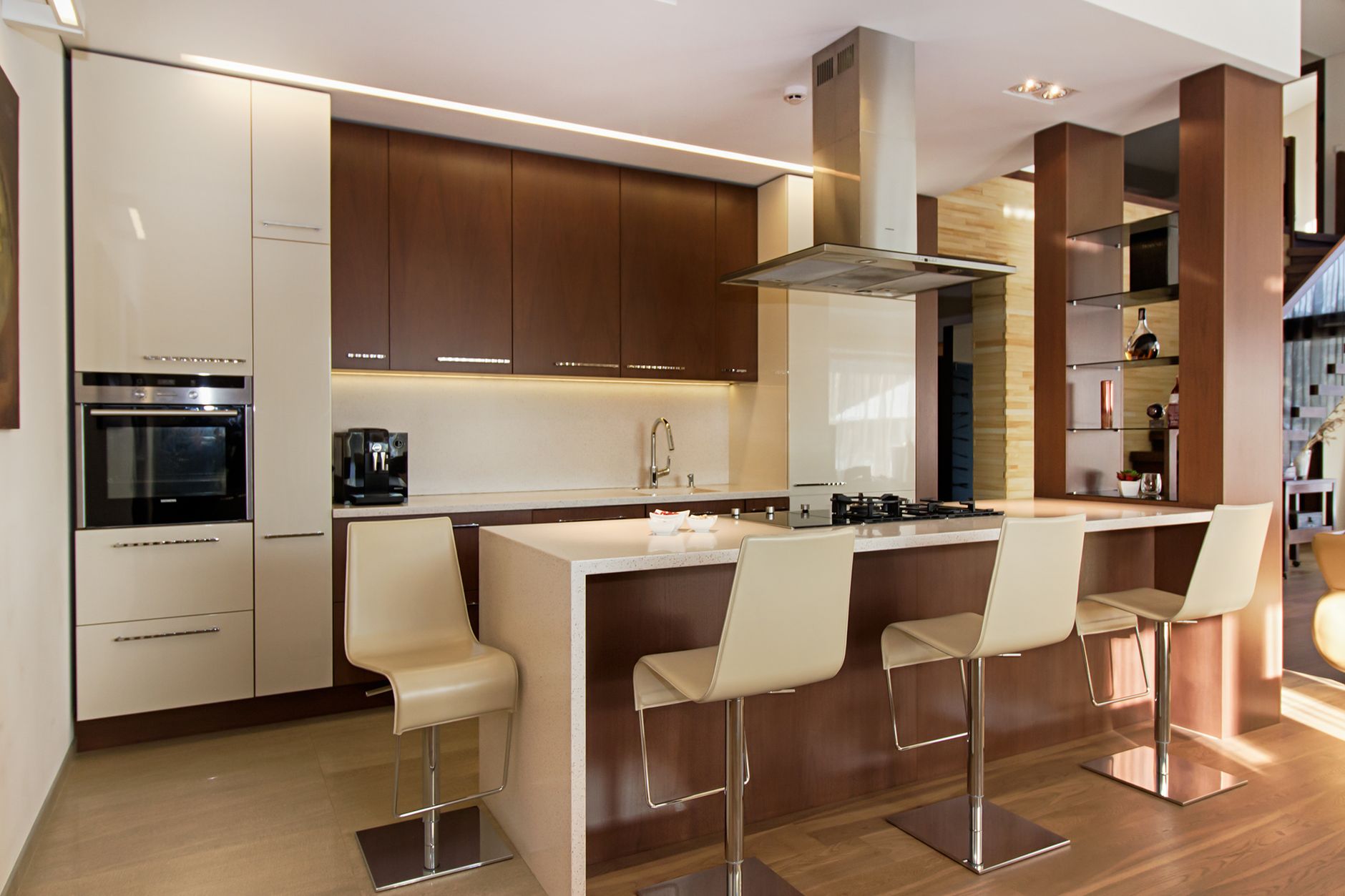
Pot filler taps have become a common sight on modern kitchen splash‑backs, promising both convenience and a touch of elegance. The wall‑mounted faucet, positioned above or near a cooktop, lets homeowners fill large pots directly at the stove, sparing them the effort of carrying a heavy, water‑filled pot from the sink.
What a pot filler does and why it’s gaining popularity
A typical pot filler features an articulated arm that folds neatly against the wall when not in use. The arm extends over the cooktop, reaching pots of various sizes. Originally a staple of commercial kitchens, the device has migrated to residential settings as a design element as well as a functional tool. Its appeal lies in the combination of practicality and visual impact; finishes range from brushed nickel and chrome to aged brass and matte black, allowing the tap to act as a subtle statement piece.
Design‑focused homeowners are increasingly seeking fixtures that eliminate small hassles, similar to underfloor heating or integrated appliances. The convenience of filling a pot at the stove can be especially valuable for families or avid cooks who regularly prepare pasta, soups, stocks, or large meals. Luli Farrell, co‑founder of ABI Interiors, noted that “once the meal is finished, the remaining water has often reduced significantly through boiling, or the pot contains food rather than simply litres of water.”
Cost considerations and installation challenges
A licensed plumber should handle the installation. Because a pot filler lacks a dedicated drain beneath it, any leak could travel behind the wall, making quality workmanship essential.
While the upfront cost may be justified for frequent cooks, homeowners with smaller kitchens or limited cooking needs might find the expense disproportionate to the benefit. The fixture solves the specific task of filling a pot, but it does not eliminate the need to move a pot after cooking, especially when it still contains hot water.
Related: Your Room by Room Guide to 2026 Design Trends
In comparing pot fillers to other luxury kitchen upgrades, the pattern is familiar: features that address niche inconveniences often become status symbols. Underfloor heating, once a premium add‑on, is now a standard expectation in many high‑end homes. The same trajectory could apply to pot fillers, where the perceived value hinges on daily use rather than mere aesthetics.
Potential buyers should assess their cooking habits before committing. If large‑pot boiling is an occasional activity, the tap may sit unused, turning a decorative element into an additional maintenance task. Conversely, households that regularly prepare bulk dishes stand to gain measurable convenience.
Practical advice for prospective owners
Planning matters. The tap’s height and reach must align with the cooktop, cabinetry, and splashback to ensure ergonomic use. Matching the tapware finish to existing fixtures creates visual cohesion, though a contrasting finish can also serve as a focal point. Early involvement of a plumber and kitchen designer helps avoid costly rework later in the renovation. Those interested in broader decorating ideas may also find guidance on colour palettes useful for tying a kitchen’s look together.
A pot filler does not change kitchen workflow in a major way, but for certain users it can become an indispensable convenience. Those who value the blend of function and style may view it as a worthwhile luxury, while others might prefer to allocate their budget toward more universally beneficial upgrades.


