
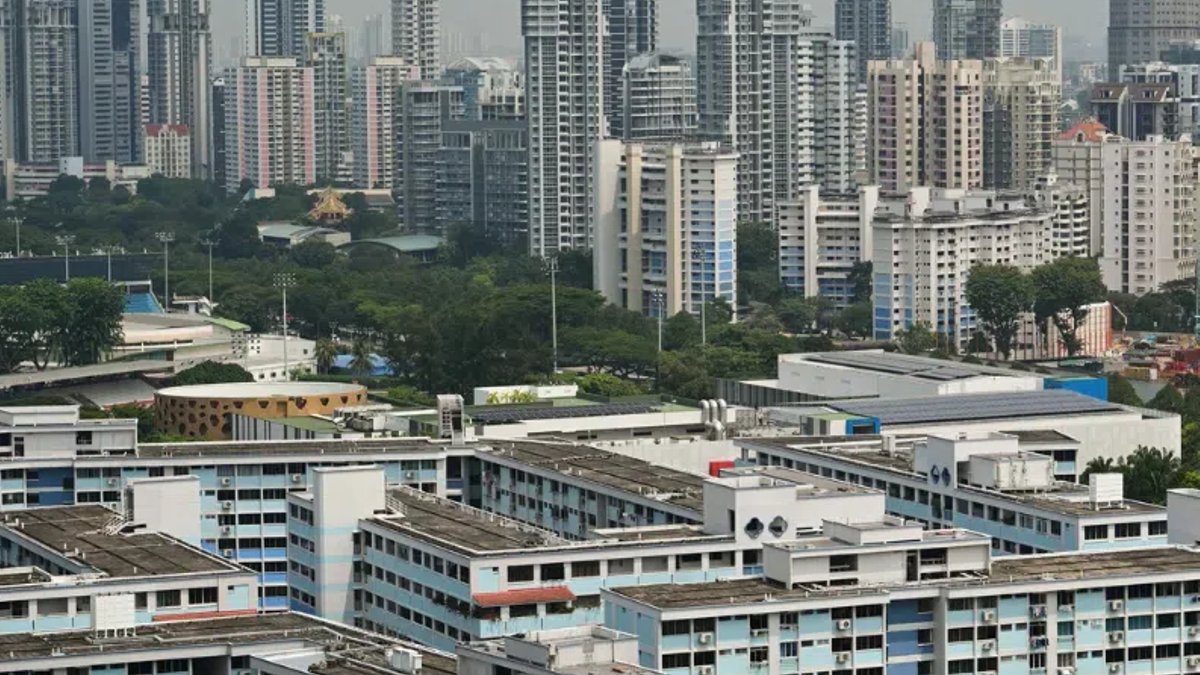
Singapore’s property market is expected to stay buoyant through the remainder of 2026, according to a recent PropNex outlook.
Private home price outlook for 2026
Lower mortgage rates, steady population growth and recent housing‑policy tweaks are projected to keep demand alive even as sales volumes lag behind 2025. The agency estimates private home prices will rise between 3% and 4% for the full year. Developers are expected to sell about 9,000 new private units, not counting executive condominiums. In 2025 the Urban Redevelopment Authority recorded 10,815 such sales, so the forecast signals a modest dip in new launches. The report also notes that Singapore citizens and permanent residents made up 98.3% of private home purchases in the first half of the year.
Fixed two‑year housing loan rates now hover between 1.4% and 1.7% after falling from 2023 peaks. That decline should ease monthly payments for many buyers, a factor that the agency cites as a key support for the market. The real estate market in Singapore has traditionally responded quickly to rate moves, and the current environment is no exception.
Private resale activity, measured by sub‑sale transactions, is expected to stay low relative to historic levels. PropNex says this suggests purchases are driven more by genuine housing needs than by speculation. “The latest trends indicate that home purchases are mainly led by locals with genuine housing needs rather than speculation,” the agency’s chief executive, Fong, said.
Related: Singaporean Couple Brings Danish Style to Joo Chiat Walk-up
While the numbers suggest a modest climb, oddly enough, the overall tone is one of cautious optimism. The market’s resilience appears tied to policy shifts that ease movement between private and public sectors, a point that may shape future price trends.
Public housing demand and policy shifts
In the public segment, PropNex forecasts between 26,000 and 27,000 HDB resale transactions for 2026, with prices nudging up to 1%. Last year saw 26,169 such sales, so the projection reflects a slight increase despite a 7.4% year‑on‑year dip to 12,681 units in the first half of the year. Resale prices fell 0.4% in that period, yet demand for high‑priced, well‑located flats stayed firm, as evidenced by 491 units selling for at least $1 million in Q2, up from 411 the prior quarter.
The removal of the 15‑month wait‑out period for private owners buying non‑subsidised HDB flats, effective July 28, 2026, is expected to smooth the flow of older homeowners into public housing. This change could free up more private resale units while boosting demand for larger HDB flats such as five‑room and executive types. The policy adjustment aligns with the agency’s view that demographic shifts and rising household wealth will continue to underpin demand.
Additional buyer’s stamp duty (ABSD) remission rules are also being tweaked. Large collective‑sale sites—those delivering 700 to 1,399 units—will see their completion timelines extended to six years, before the ABSD remission is clawed back. Developers pay 40% ABSD upfront and can recover 35% if they meet the required development and sale timelines.
Related: High End Homes Get Luxury Makeovers
From a broader perspective, the interplay of lower financing costs, a growing pool of potential buyers and policy levers that facilitate mobility creates a modest but steady demand base. Even if price growth eases, the market’s underlying fundamentals—population expansion and wealth accumulation—provide a cushion that keeps activity afloat.
PropNex financial performance
Against this backdrop, PropNex reported first‑half revenue of $603 million, a 0.7% increase from the previous year. Net profit slipped 3.1% to $40.9 million, down from $42.3 million. The agency’s market share rose to 64.3% from 60.6% a year earlier, covering new launches, private and landed resale homes, HDB flats and leasing. Its sales force grew to 14,574 agents as of August 3, 2026, up from 13,945 at the start of the year.
In line with earnings, PropNex declared an interim dividend of five cents per share, representing 90.4% of its first‑half profit. The agency’s outlook suggests that, despite a softer sales environment, the combination of policy support and demographic trends will keep Singapore’s property market buoyant through the rest of the year.


