
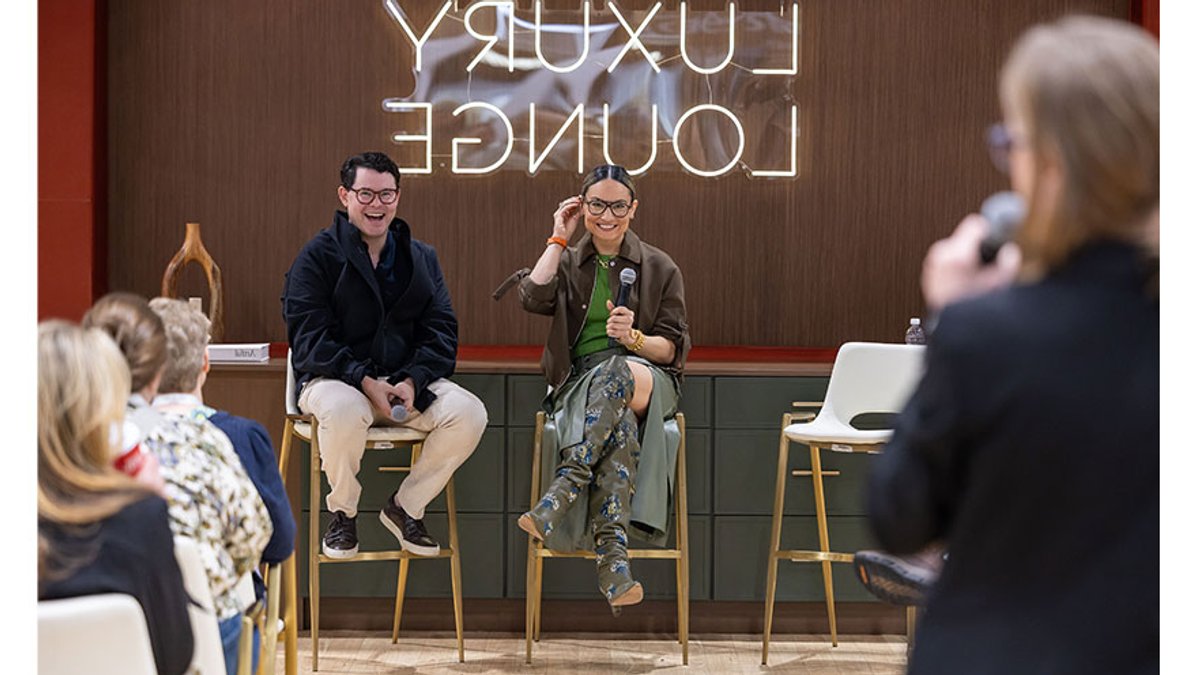
Artificial intelligence is changing the way luxury design firms work, but it doesn’t replace human judgment, according to Nicole Fisher of Nicole Fisher Interiors and Russell Goldman of More Wow Design. They made a clear case for AI as a practical business tool that can save time, improve systems, and sharpen communication, while drawing firm boundaries around what it cannot do.
Fisher explained how AI helps protect time and reduce operational drag, letting leaders focus on creative work. She advised auditing time in 15-minute increments for two weeks to identify repetitive tasks that can be offloaded to an assistant or an AI tool.
AI can help translate knowledge into seamless, repeatable systems, such as site visits, which can be distilled into detailed checklists. Goldman emphasized that firms benefit by using AI to solve specific business challenges, addressing workflow hurdles unique to each firm.
AI’s role shines in supporting relationship management, rather than substituting for it. It assists in crafting measured, professional messages, helping designers maintain clarity and boundaries. AI can also streamline administrative and operational tasks, generate and document standard operating procedures, and support calm, professional communication.
Fisher argued that AI is best for brainstorming and drafting, not making critical decisions in design processes that involve code, structure, or construction. Goldman added that while AI can guide decisions and analyze possibilities, the final say, especially when liability is involved, must remain human.
Related: Infinity Drain Unveils Redesigned Website
Luxury design depends on authenticity, taste, and storytelling—qualities that cannot be automated. Both designers warned against hyper-realistic renderings, which can set false expectations. Instead, they use AI to turn polished visuals into sketch-like images that invite clients to imagine and participate in the vision.
AI brings real power to design practice, streamlining processes and freeing up designers to focus on what matters most. However, it cannot replace discernment, taste, or the human connection at the heart of luxury design. The future belongs to firms that blend intuition and technology, using AI to enhance, not overshadow, what makes design truly meaningful.
Nikki Levy of Nikki Levy Interiors, Jaque Bathke of JAQUE Design, and Lisa Gilmore of Lisa Gilmore Design discussed how bold color palettes can create memorable interiors that set designers apart. Colors like emerald, cobalt, terracotta, blush, and deep green can attract aligned clients and deliver spaces that feel both personal and polished.
Designers who want color-loving clients often need to lead with color themselves. When a portfolio shows confidence, the right clients respond.
As the luxury design industry continues to evolve, firms will likely use AI and bold color palettes to create unique and memorable spaces. By blending technology and human intuition, designers can create truly exceptional experiences that set them apart in the market, such as those that incorporate industry growth forecasts to inform their design decisions.


