
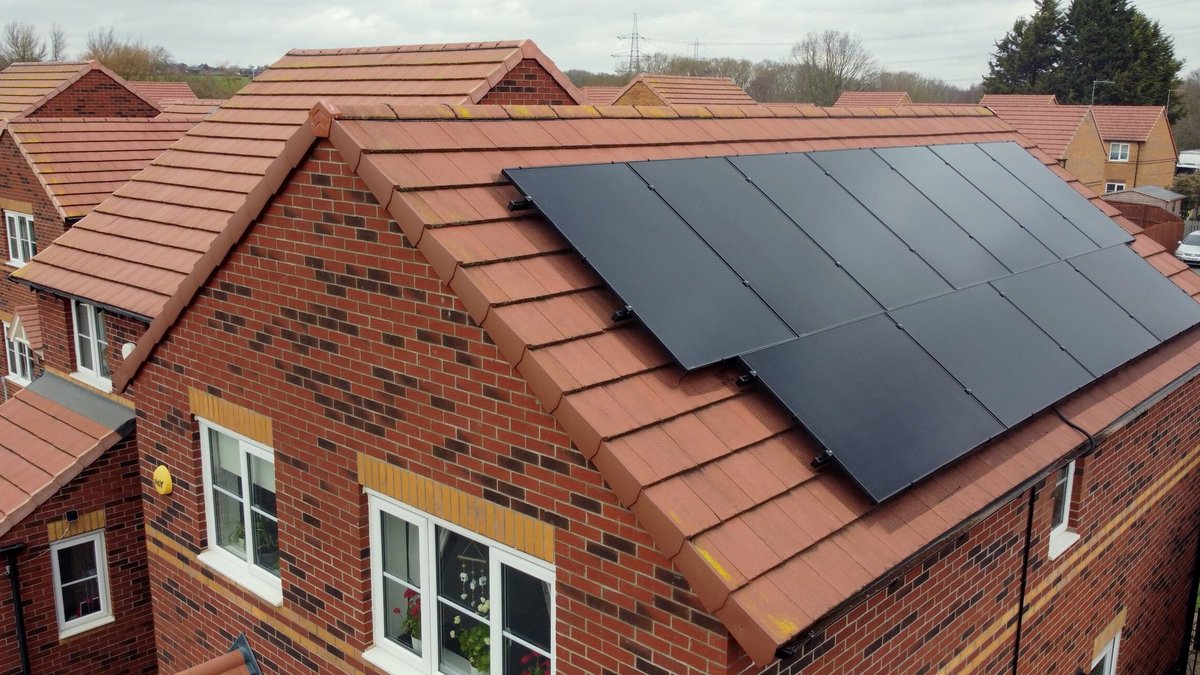
Solar panels have become an increasingly familiar sight across the UK, yet many homeowners still believe outdated myths about whether their property is suitable for renewable energy. Questions about roof orientation, roof pitch and even the impact on property value continue to discourage people from exploring solar power, despite significant advances in technology and installation methods. With household energy costs remaining a major concern and more people looking to reduce their environmental impact, modern solar systems have never been more relevant. Today’s installations are designed to work effectively across a wide range of homes, allowing many more households to benefit from generating their own electricity than was once thought possible. While every property is different, professional installers can assess each home individually to determine the most effective system design. In many cases, homes that owners assume are unsuitable for solar can still achieve impressive performance and long-term savings.
Understanding Solar Performance in the UK
The UK’s geographical position between approximately 50 and 60 degrees north latitude provides favourable daylight conditions throughout much of the year. While the country experiences less sunshine than many parts of southern Europe, its climate is actually well suited to solar energy generation. During summer, long daylight hours allow solar panels to generate substantial amounts of electricity, while lower winter sun angles still provide useful energy production. On average, around 71% of a typical system’s annual electricity generation occurs during spring and summer, with the remaining 29% produced during autumn and winter.
Related: Victorian Homes Get Modern Makeover
Modern photovoltaic (PV) technology is considerably more efficient than earlier generations of solar panels, meaning systems continue to produce electricity even during overcast conditions. Rather than relying on direct sunlight alone, panels generate power from daylight, making them effective throughout the year.
Myth Busting: Orientation and Angle
One of the most common misconceptions surrounding solar panels is that only south-facing roofs are suitable. While south-facing roofs generally provide the highest annual electricity generation, they are far from being the only viable option. East and west-facing roofs can also perform extremely well, particularly for households whose electricity usage is concentrated in the morning or evening.
Related: Best Heaters for a Warmer Home
An east-facing array tends to produce more electricity earlier in the day, while west-facing panels continue generating later into the afternoon and evening. For many families, this production pattern aligns well with everyday energy consumption. Installers assess the property’s orientation alongside expected usage to determine the most effective layout. They also examine potential obstructions that could reduce generation, such as chimney stacks, roof windows, dormers and neighbouring trees.
Properties with predominantly north-facing roofs may generate less electricity than those with more favourable orientations. However, this does not automatically rule out solar power. In some cases, installers may recommend alternative configurations, including ground-mounted panels or a combination of roof and garden installations, helping homeowners make the best use of the available space.
Related: Are Dual-Zone Wine Fridges Worth It?
Roof pitch is another area where misconceptions frequently arise. The optimum roof angle for solar panels in the UK typically falls between 30 and 45 degrees, a range that conveniently covers a large proportion of British housing stock. However,


