
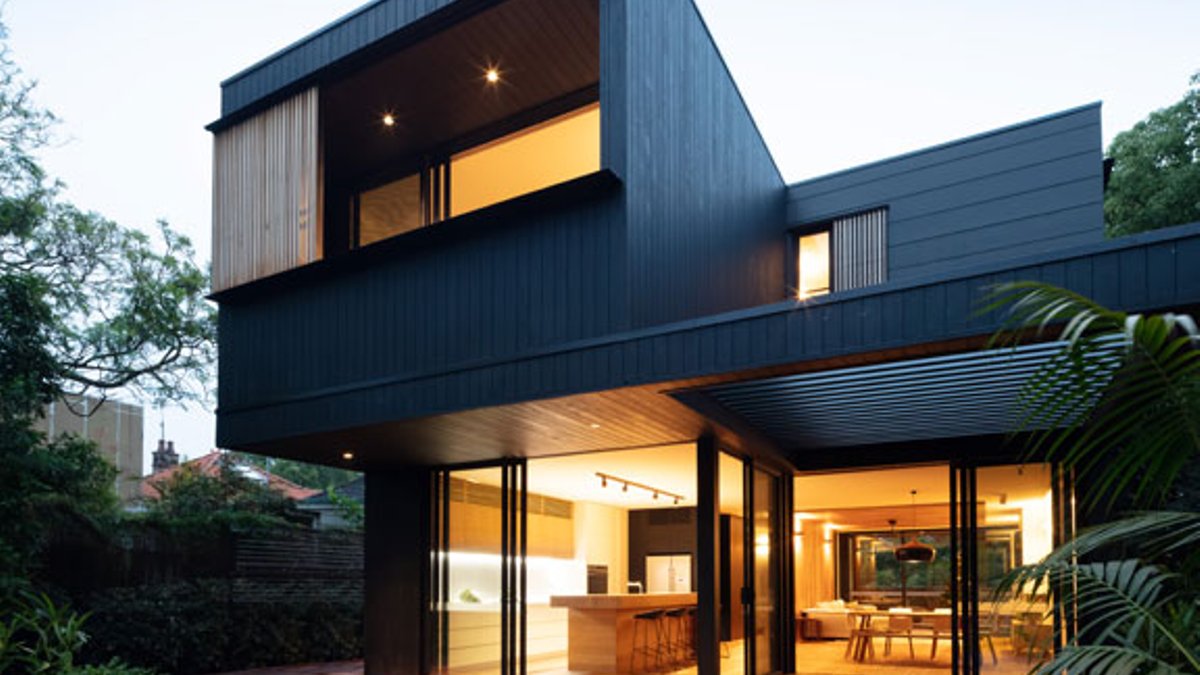
Modern methods of construction refer to innovative alternatives to traditional building techniques, offering a faster and more robust way to build homes. They offer precision-controlled offsite construction, lower-carbon emissions, and energy efficiency.
These methods encompass various techniques, such as volumetric construction, prefabricated timber frames, structural insulated panels, and precast foundations. They involve offsite production of component parts, which are then transported to the site and assembled within days or hours.
This approach enables better quality control, as components are manufactured in a factory setting.
According to Ben Mailen from Ben Mailen Design, “In modern methods of construction, BIM works out how a building is going to perform, analysing where the windows are and what the levels of insulation need to be.” This enables the creation of efficient and sustainable buildings from the outset.
A study by the University of Cambridge and Edinburgh Napier University found that embodied carbon emissions can be reduced by almost half when using these methods. The report noted that 28,000 tonnes of embodied carbon emissions were saved from construction across two UK housing developments, equivalent to the CO2 absorbed by 1.3 million trees a year.
Dan Macpherson, Project Director at construction consultants Henry Riley, notes that “the adoption of modern methods of construction and offsite manufacturing enables reductions in both embodied and operational carbon.” He adds that “quality assurance processes are more easily implemented and adhered to, and execution of works and manufacturing in the factory are more accurate.”
Related: Best Heaters for a Warmer Home
They offer several benefits, including reduced carbon emissions. By using materials like cross-laminated timber and prefabricated panels, builders can create homes that are not only energy-efficient but also have a lower environmental impact, making them ideal for family homes.
Modern methods of construction offer several advantages for self-builders, including reduced risk, more accurate build timelines, and easier budget management.
Daniel Leon, founder of Square Feet Architects, notes that “these methods can offer fantastic opportunities for self-builders and developers alike.” He adds that “from our experience, they can provide much better quality, with homes made in factory conditions, not a wet and windy building site.”
As the construction industry continues to evolve, traditional building methods will become less prevalent.
Modular buildings, structural insulated panels, cross-laminated timber, and insulating concrete formwork are just a few examples of modern methods of construction available.
They are the future of building, with their potential to reduce carbon emissions, improve energy efficiency, and provide better quality control.


