
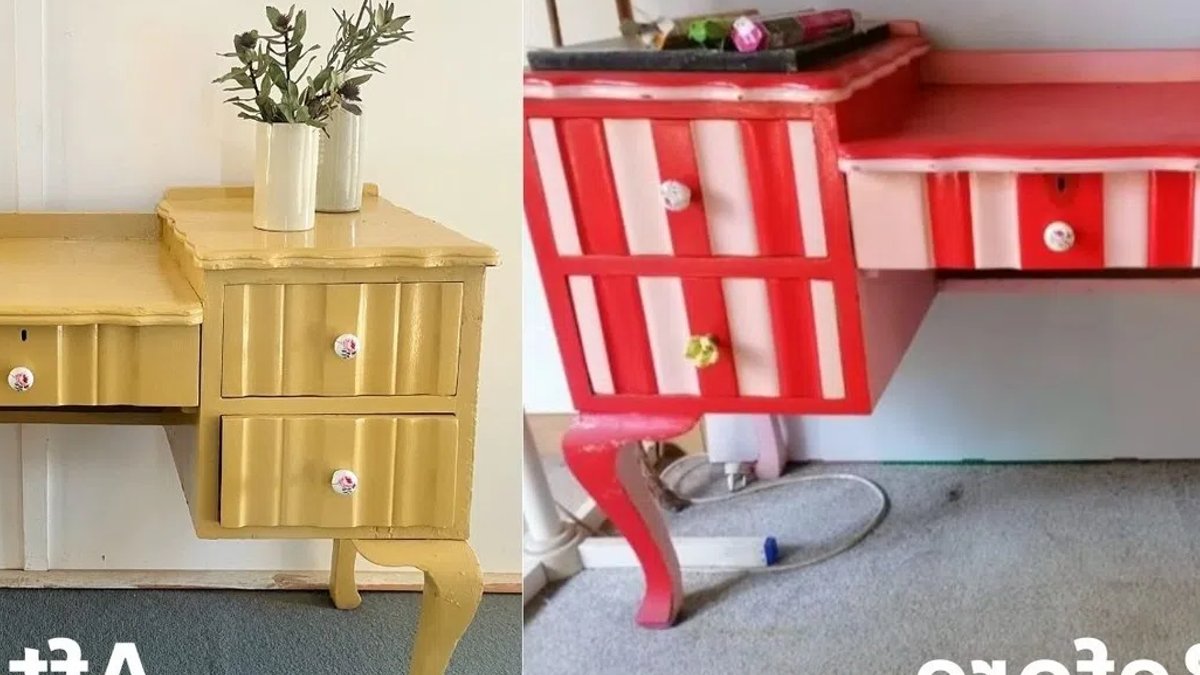
Homeowners and design enthusiasts are increasingly turning to the restoration of second-hand items to create unique, personalized living spaces. This trend goes beyond simple cost-saving; it offers a way to inject character into a home while reducing waste. Amy and Lawrence, who run a furniture refurbishing business, describe the process as a creative outlet that is both satisfying and addictive. Their workshop is filled with pieces ranging from 19th-century chests of drawers to desks, all given a new lease on life through restoration.
Success in refurbishing starts with selecting the right item. Amy emphasizes that the material of the furniture is the most critical factor. Older pieces made of solid wood are generally more durable and of higher quality. Older pieces, even if they are decades old, typically offer better longevity than modern mass-produced alternatives.
Related: Singapore’s top 10 fire extinguisher shops
The complexity of the restoration job depends on the item’s design. A simple table is generally easier to work with than a chest of drawers, which involves multiple components. Amy notes that restoring a table from start to finish can take about a week, while a dresser requires more time due to the number of drawers and internal structures involved. Prospective restorers should be aware that smaller, simpler objects are often more straightforward to tackle than complex furniture sets.
One of the most difficult aspects of refurbishing is dealing with structural damage. Amy identifies wood borer damage as a particularly tricky problem. These pests eat away at the wood, often causing owners to discard items that can be saved. Experts must treat the piece completely for wood borers before attempting to restore it. Water damage presents another common issue that requires careful attention and repair.
Paint removal is another hurdle that many face. A homeowner’s attempt to strip a heavily painted dressing table highlighted the difficulty of the task. This experience highlights the need for patience and the correct tools when undertaking a restoration project.
Related: Snaidero Opens New Locations in Key Markets
Restoring furniture is a time-intensive process that requires the right equipment and knowledge. Without the correct tools—such as the right sandpaper grit or paint stripper strength—the project can become a nightmare. Amy advises potential restorers to do their homework and understand the scope of the work before starting. Being fully aware of the time and effort required is essential before committing to a restoration.
Experts suggest using water-based paint for wooden furniture, which allows for a wide range of colors and is easier to work with than oil-based alternatives. The resurgence of vintage furniture styles, such as Mid-century Modern, has made these restoration projects even more popular. By focusing on solid wood and understanding the specific challenges of each piece, homeowners can successfully transform second-hand items into unique, lasting assets for their homes.


