
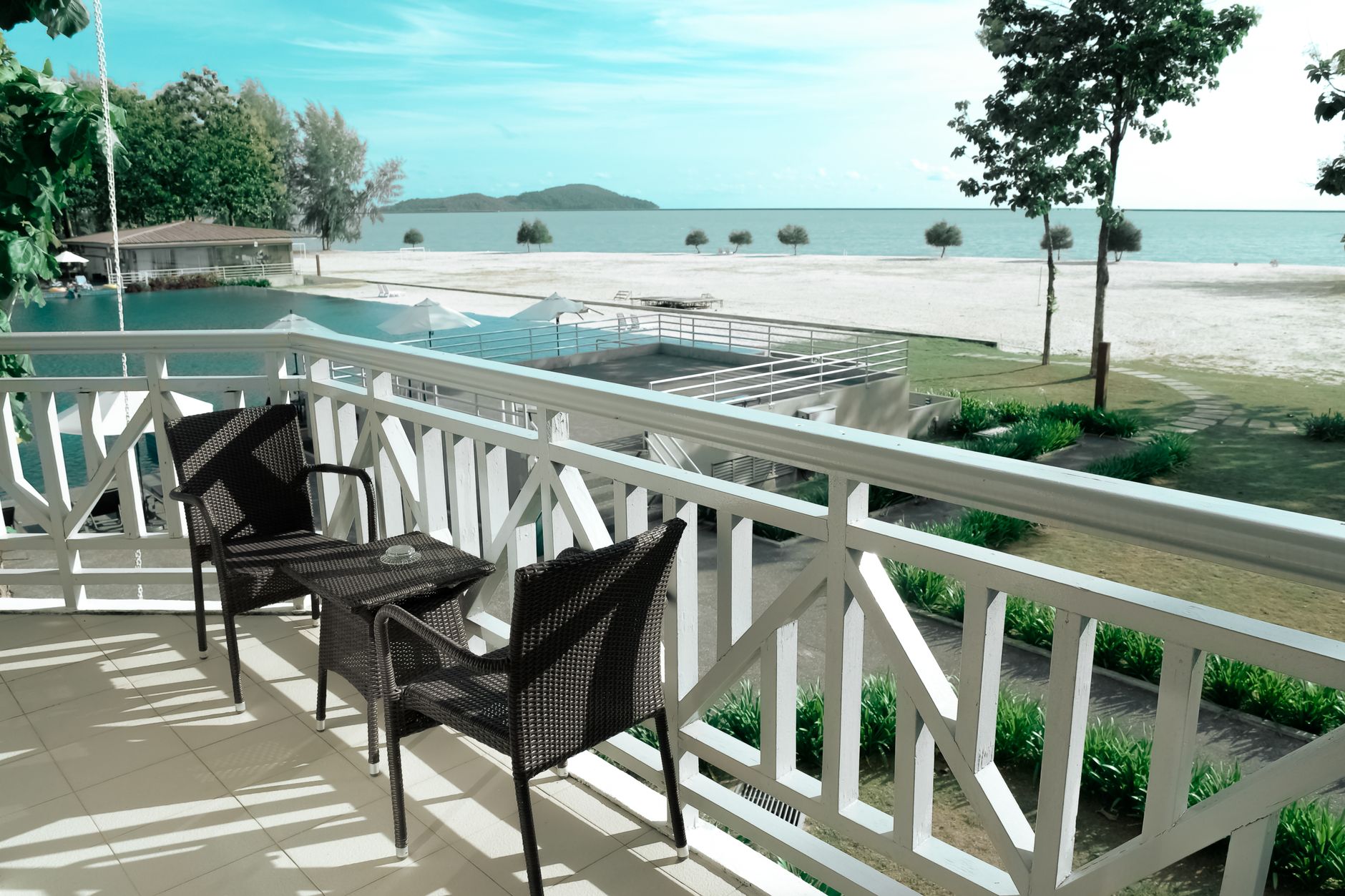
Coastal homes are often associated with a classic look: white weatherboards, white walls, pale timber, and linen sofas, with a smattering of blue to remind everyone of the nearby ocean.
The connection between white and coastal style makes sense, as white reflects light and creates a relaxed atmosphere.
However, over time, this style has become a set of rules, resulting in coastal homes that look increasingly alike, regardless of their location.
Australia’s coastline is diverse, with rust-red cliffs, silvery-green gums, and golden grasses, offering a wide range of colours to draw inspiration from.
Australia’s coastline is anything but one colour, with its natural beauty featuring wildflowers, dark rocks, and beaches that turn pink in the evening light.
This natural beauty can be used to create a unique and inviting coastal home, one that reflects the personality of its inhabitants and the history of the building.
Little Beach Co., a 1930s cottage in Tasmania’s Bay of Fires, is a prime example of a coastal home that has broken away from traditional decorating rules.
Interior designer and stylist Alison Lewis filled the cottage with colour, pattern, and personality, creating a warm and cosy atmosphere that responds to the setting and atmosphere of the local area.
Alison’s decision to use colour was not just aesthetic; she found that a neutral interior palette could make the cottage feel colder, especially when surrounded by the intense blue light reflected from the ocean.
By painting the walls green, she was able to absorb some of the blue light and create a sense of warmth and cosiness.
The result is a cottage layered with green, blue, pink, and yellow, alongside patterned wallpaper, vintage furniture, and collected objects.
This approach has created a sense of joy and personality in the home, making it feel deeply personal and connected to its surroundings.
Colour can bring personality to a room, making it feel more inviting and warm.
A painted wall can change the mood of a space, while pattern can add movement and interest.
Related: Are Dual-Zone Wine Fridges Worth It?
Vintage furniture and artwork can also be used to add personality to a room, creating a sense of history and storytelling.
One of the easiest ways to introduce colour into a coastal home is to look at the architecture that already exists.
Original doors, window frames, and cabinetry can all be painted or refinished to add colour and personality to a room.
Rich wall colours can sit alongside patterned wallpaper and vintage furniture, creating rooms that feel connected but never overly coordinated.
A coastal home doesn’t have to be quiet and serene; it can be joyful and colourful, with confidence in its use of pattern, art, and unexpected combinations.
By choosing colours that mean something to the people who live there, a coastal home can become a reflection of their personality and style.
To create a colourful coastal home, it’s essential to start with the bones of the cottage and look for opportunities to add colour and personality.
This can be done through painting, refinishing, or adding vintage furniture and artwork.
The key is to choose colours that you love and that reflect the personality of the people who live there.
Trends may come and go, but the most enduring colourful coastal homes are those that tell a story about the people who live there.
By incorporating colour and personality into a coastal home, it’s possible to create a space that feels truly unique and inviting.
Ultimately, the best colourful coastal homes are those that leave room for something else, something that reflects the personality and style of their inhabitants.
They still value natural light, relaxed materials, and a strong connection to place, but they also allow for creativity and self-expression, much like when growing and maintaining hedges to create a unique outdoor space.


