
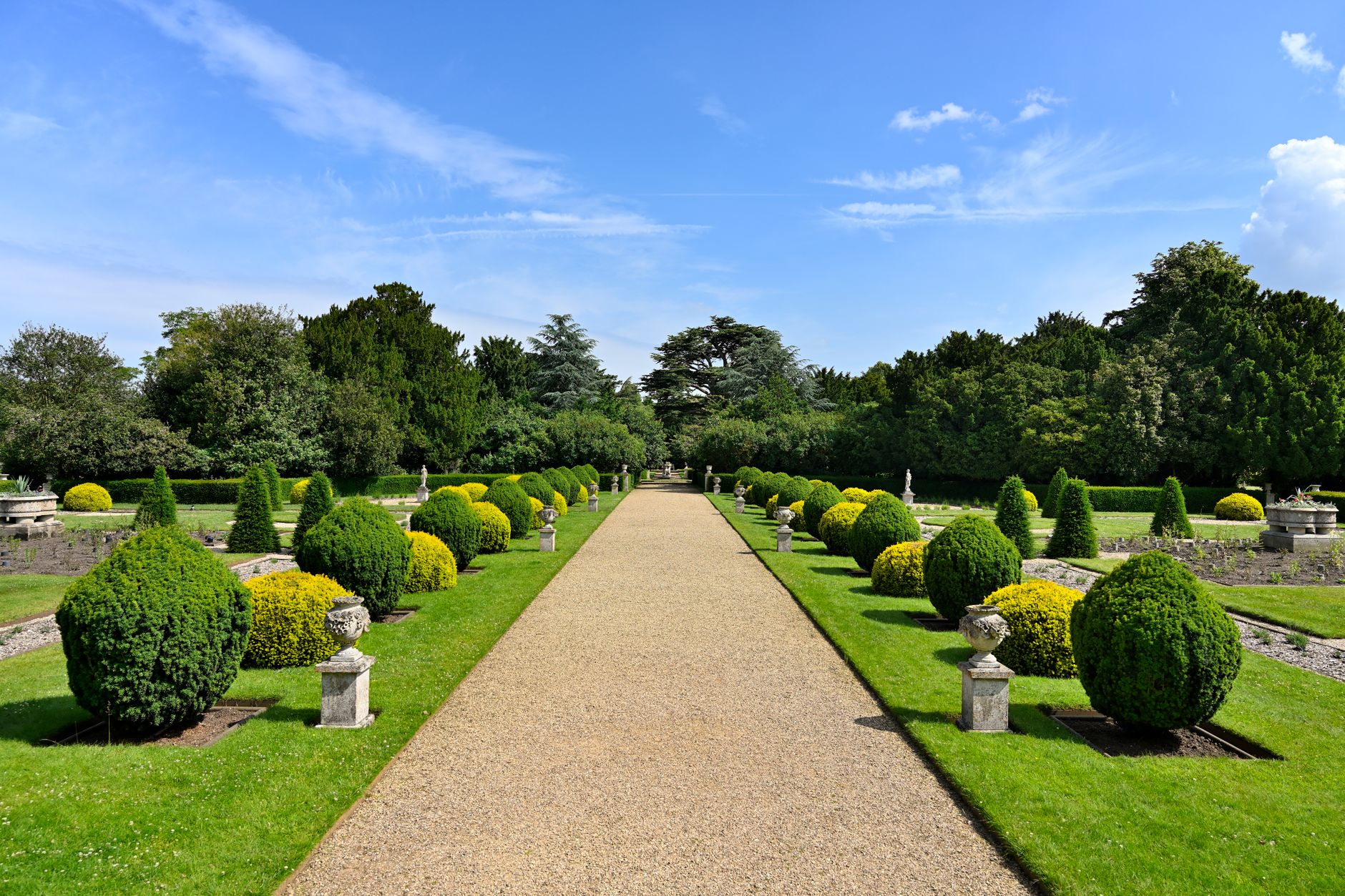
Hedges offer privacy, noise reduction, and structure to gardens.
But many homeowners assume they require constant work. According to gardening experts, that reputation is mostly undeserved. Once established, many hedges are surprisingly low-maintenance — though choosing the right plant and getting the spacing right from the start makes all the difference.
The first decision is what kind of look you want.
Hedges can be tall or low, formal or informal, and trimmed into clean rectangles or soft, rounded shapes. The hedge itself is created by planting shrubs or trees close enough that their foliage eventually blends into a continuous screen.
How to plan and plant a hedge
Spacing depends on the intended height. Ian Barker, a garden designer, says that “as a general rule, spacing approximately 700 millimetres to 800 millimetres apart works well.” His colleague Daniel Rawson adds that “the key variable is the intended height of the hedge.”
Taller plants need more room between them.
If you’re impatient for a full look, planting closer together gives a faster effect.
Related: Helen Mirren sells historic Hollywood estate
Hedges are something that, if you get them established, they’re essentially set-and-forget. That’s the message from Dennis Scott, a landscaping expert who works on the show Selling Houses Australia. He calls hedges a “set and forget” planting once they’ve matured.
Trimming and maintenance made simpler
Most hedges need trimming three or four times a year. But that number drops sharply with certain species. Ian recommends Prunus lusitanica, which “has a large, beautiful leaf, produces white flowers and only needs to be trimmed once every 12 to 14 months.”
For hedges taller than three metres, you’ll likely need an arborist — anything shorter is DIY-friendly.
The idea that hedges belong only in formal gardens is a common misperception. In reality, they can be just as effective in wilder, free-flowing garden designs.
The trick is layering. The pair suggest creating at least three distinct levels of plantings: a tall hedge at the rear, a middle layer of shrubs about one metre high, and a groundcover layer between 150 and 450 millimetres tall.
If space allows, add a tree for depth. This approach lets hedges provide structure without feeling stiff.
For a good maintenance routine, fertilize before trimming, at the change of each season. “Most hedges are evergreen, but autumn is a good time to prepare your garden for winter,” says Dennis. “Prune in autumn and it’ll burst back in spring if you fed it before it went to sleep.”
Related: The best colours for your office space this 2022
When hedges become topiary
Topiary takes hedging a step further. It’s the art of training plants into decorative shapes — spheres, cones, or even animal forms. For modern Australian gardens, round or teardrop shapes are most common, along with topiary stands that look like lollipops.
Not every hedging plant suits topiary; they need to be even more compact and tight-growing.
Even in a naturalistic garden, topiary pieces can work. “Rather than clashing, they provide a sense of consistency and visual respite,” Barker says. “It gives you something structured to land on throughout the seasons.”
For anyone nervous about pruning a perfect sphere, Daniel suggests holding a paper plate one metre away from the plant as a visual guide for the curve.
Some of the best hedging plants for Australian conditions include Acmena smithii (lilly pilly), which handles drought and salt; Buxus (box) for low hedges and topiary; Photinia ‘Red Robin’ with its red new growth; and Westringia (coastal rosemary), a tough evergreen that clips well into spheres.
Each suits different climates, so checking local conditions is worthwhile. But the experts agree: with the right plant and a little patience, hedges can be one of the easiest parts of the garden to live with.


