
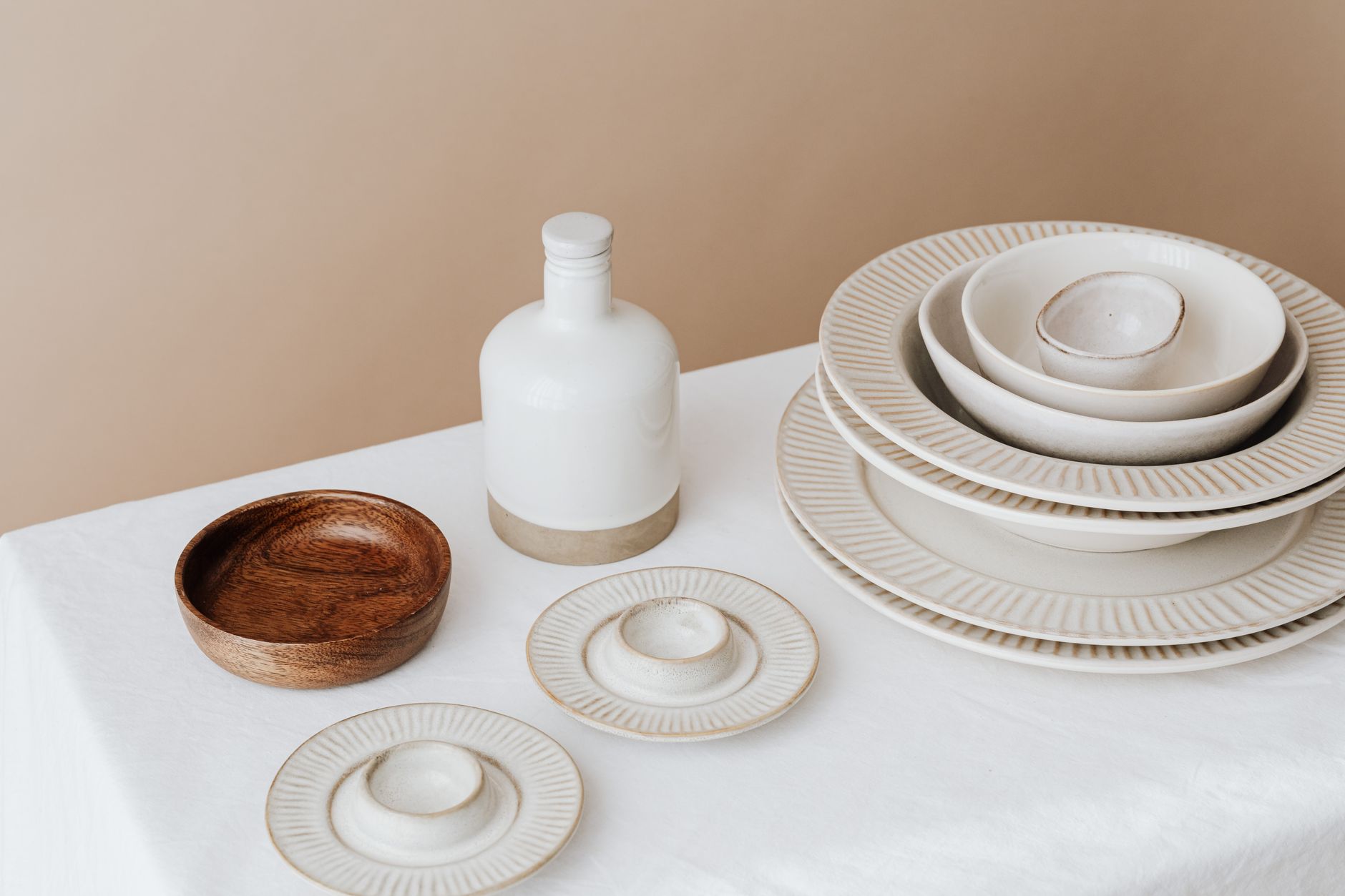
In 2026, most Australian homewares brands manufacture overseas, but a small group continues to produce everything locally. The distinction goes beyond origin—it involves preserving industries, supporting artists, and upholding quality standards that global supply chains often fail to meet.
The country’s manufacturing sector has declined over recent decades, with many mills, workshops, and studios shutting down. Those still operating frequently depend on niche markets or traditional methods. Waverley Mills stands as the last wool mill in Australia, processing fleece from sheep within a 15-kilometer radius of its Tasmanian factory. Every step—from washing to dyeing to weaving—occurs under one roof, combining century-old machinery with modern tools.
Genevieve Smart, co-founder of fashion label Ginger & Smart, worked with Waverley Mills on a recent collection. She explained the process on The Edit podcast: “The wool arrives in bales, and all production happens in the same building. Some equipment is very old, while other parts are new, but every stage—combing, spinning, dyeing in small glass pots—is done by hand. Everything dries in the sun.”
The mill, established in 1874, turns 152 this year. Its survival is unusual in an industry where most competitors have either closed or moved production abroad.
Related: A Beginner’s Guide to the Different Types of Paints
Dinosaur Designs has been crafting resin homewares in Sydney since 1985. The brand’s signature translucent, marble-like finishes result from a process blending artistry and precision. Each vase, bowl, and plate is shaped by hand, giving them an organic, sculptural appearance. Interior designers like Rose Kiselev and Kate Moss of This Vacant Space have called it a staple in their work.
In East Arnhem Land, Bula’bula Arts serves as a cultural center for over 150 artists from the Raminging community and surrounds. The collective sells woven baskets, paintings, and textiles made from natural materials such as pandanus and sand palm. Dyes come from local plants, and techniques have been passed down through generations.
Art Ark, a platform for Indigenous art, ensures profits go directly to artists and their communities. The site offers everything from dot paintings to woven sculptures, including a section for pieces under $600. Provenance is guaranteed, addressing concerns about authenticity in the Aboriginal art market.
Australia’s reputation for quality wool and timber remains strong, even as production has decreased. Brands like Waverley Mills rely on these materials, but the real benefit may be control over the process. Local production allows brands to adjust designs, colors, and finishes without waiting for overseas samples. That flexibility is difficult to achieve in global supply chains.
Related: What Every Outdoor Kitchen Needs!
Local production has drawbacks. Prices are typically higher, and some materials—like certain woods or dyes—aren’t always available domestically. For buyers, the choice reflects more than aesthetics—it determines the kind of economy they support.
The selection of Australian-made homewares isn’t complete, but it provides a foundation. Galleries, markets, and boutique stores often feature work from independent makers, offering alternatives to mass-produced imports.
Small changes can make a big difference in tight spaces. For those looking to refresh a bathroom, simple updates can create a more functional design.


