
How to start a successful career in HGV driving
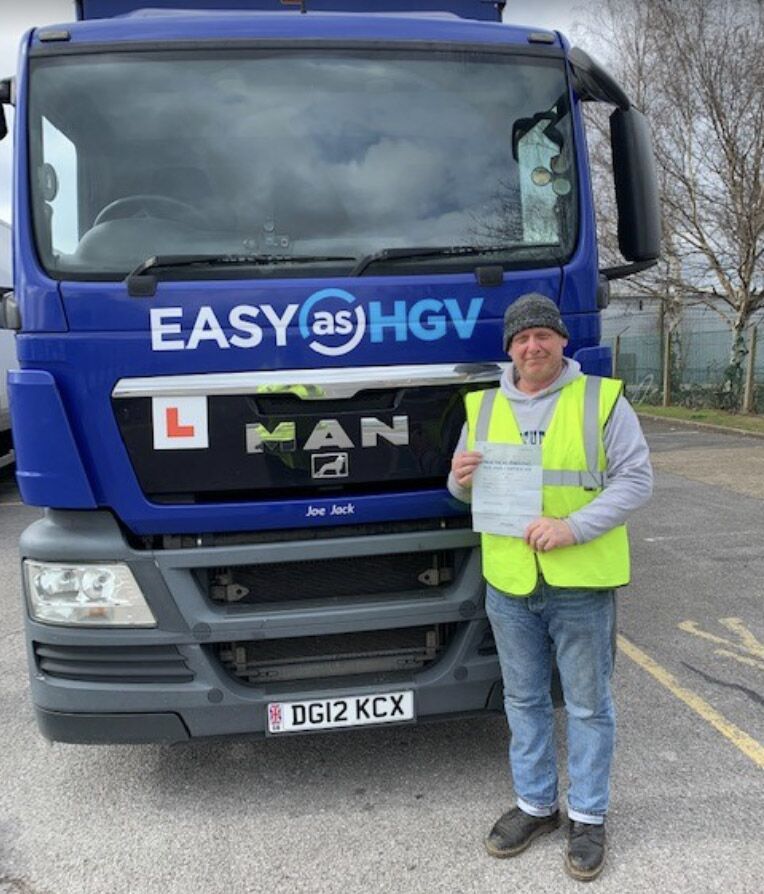
Choosing a profession as a Heavy Goods Vehicle driver provides a clear pathway into a stable industry. Logistics companies constantly require reliable individuals to transport essential goods across the country. If you enjoy spending time behind the wheel and prefer working outside a traditional office environment, HGV driver jobs offer a practical way to earn a solid living. The logistics sector forms the backbone of the UK economy. The recent surge in online shopping has further accelerated the need for qualified professionals, making this a highly opportune moment to enter the transport sector. By entering this field, you take on a critical role that keeps supply chains moving.
Benefits of Becoming an HGV Driver
The advantages of driving for a living extend far beyond a steady paycheck. Demand for qualified drivers remains consistently high, giving you significant job security in an otherwise fluctuating economic climate. You gain the freedom to travel across different regions, experiencing new locations rather than staring at the same four walls every day. Many employers offer flexible shift patterns, allowing you to choose working hours that fit your personal life. Pay rates are highly competitive, especially for those willing to work anti-social hours or undertake long-haul routes. Furthermore, many established transport companies provide generous pension contributions and ample holiday allowances to retain their best staff.
HGV Driver Training and Licensing
Before you can apply for commercial driving positions, you must complete specific training and obtain the correct qualifications. The process begins with applying for a provisional lorry licence and passing a medical examination to confirm you meet the required health standards. This medical assessment checks your eyesight and general physical fitness to guarantee you can safely handle a large commercial vehicle. Next, you must pass a multi-part theory test, which includes hazard perception and case studies. Finally, you will undertake practical driver training with an approved instructor. Once you pass the practical driving test and complete your Driver Certificate of Professional Competence, you become fully qualified to drive heavy vehicles commercially. Taking this process seriously is critical, as road safety is a fundamental aspect of the job.
Finding HGV Driver Jobs
Securing your first position requires a targeted approach. Many newly qualified drivers find opportunities through specialist recruitment agencies that focus on the transport sector. These agencies often have direct relationships with large logistics companies and can place you in temporary roles that frequently lead to permanent contracts. Online job boards dedicated to the haulage industry feature hundreds of vacancies updated daily. You should also consider approaching local distribution centres and transport hubs directly. Speaking directly to current drivers at truck stops or industry events can also yield valuable leads for unadvertised vacancies. Creating a straightforward, honest CV that highlights your newly acquired qualifications and any relevant previous experience will help you stand out to transport managers.
Career Progression in HGV Driving
Starting as a newly qualified driver is simply the first step on a broad career ladder. Most beginners start with Class 2 vehicles, driving rigid lorries for local or regional deliveries. Once you gain confidence and experience, you can upgrade your qualifications to drive Class 1 articulated lorries. These larger vehicles command higher pay rates and often involve long-distance or international travel. Some drivers eventually choose to purchase their own vehicle and operate as independent contractors, maximizing their earning potential. Beyond driving, experienced professionals frequently transition into transport management, fleet coordination, or driver training roles. The industry rewards hard work and reliability, meaning those who demonstrate commitment can advance quickly into senior positions.
Your Road Ahead in HGV
Taking the first step into a new profession naturally requires dedication and a willingness to learn. Obtaining your licence and securing your initial position takes time and financial investment. The transport sector relies entirely on the dedication of skilled drivers who take pride in their work. However, the resulting stability and financial rewards justify the effort. If you value independence and want a career with straightforward progression pathways, research local training providers in your area today. Contact a few academies to discuss their course structures and pass rates. By committing to the training process now, you can secure a stable and rewarding future on the road.